RESILIENCE, REFORM & REWRITING MY STORY
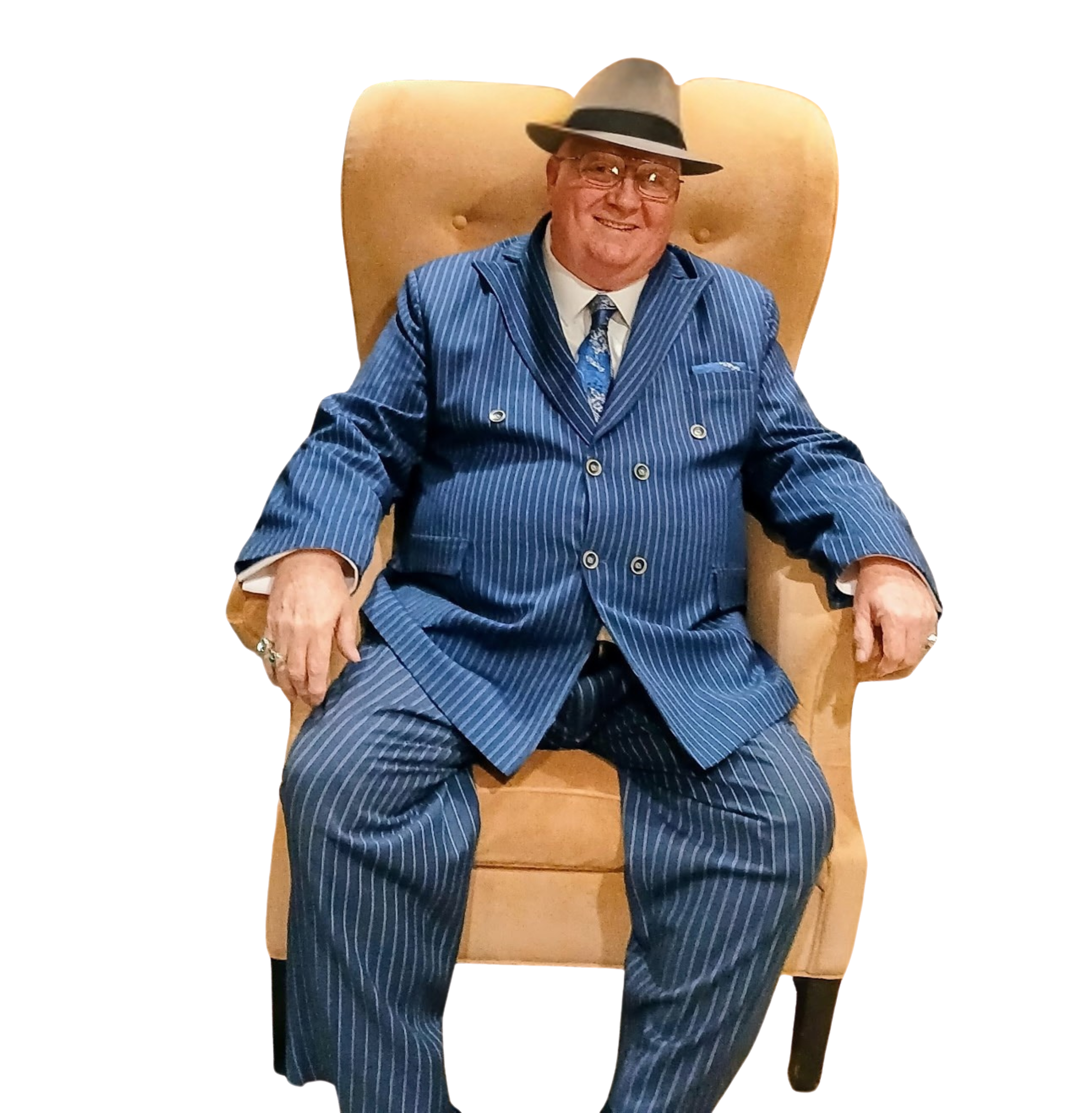
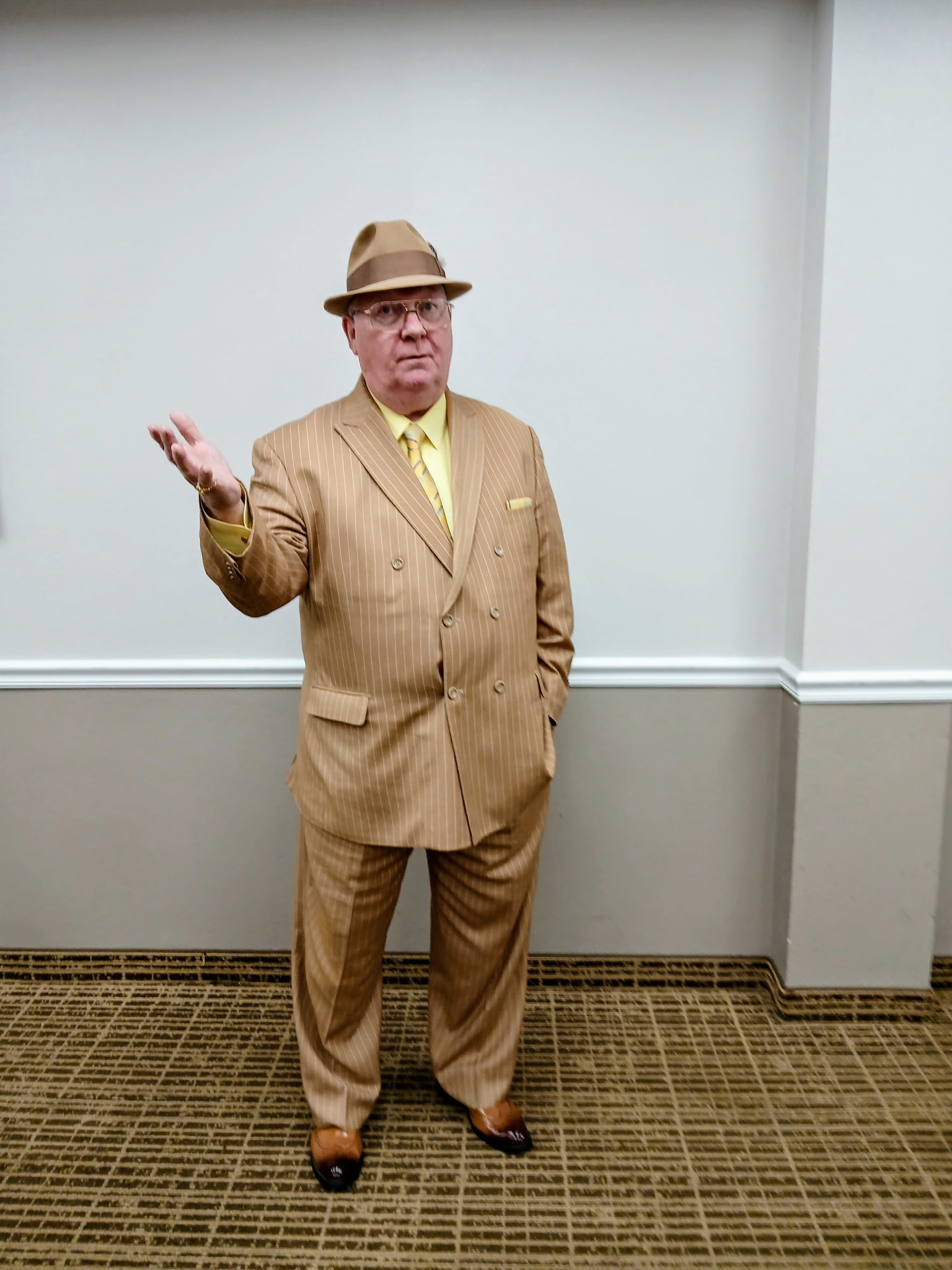
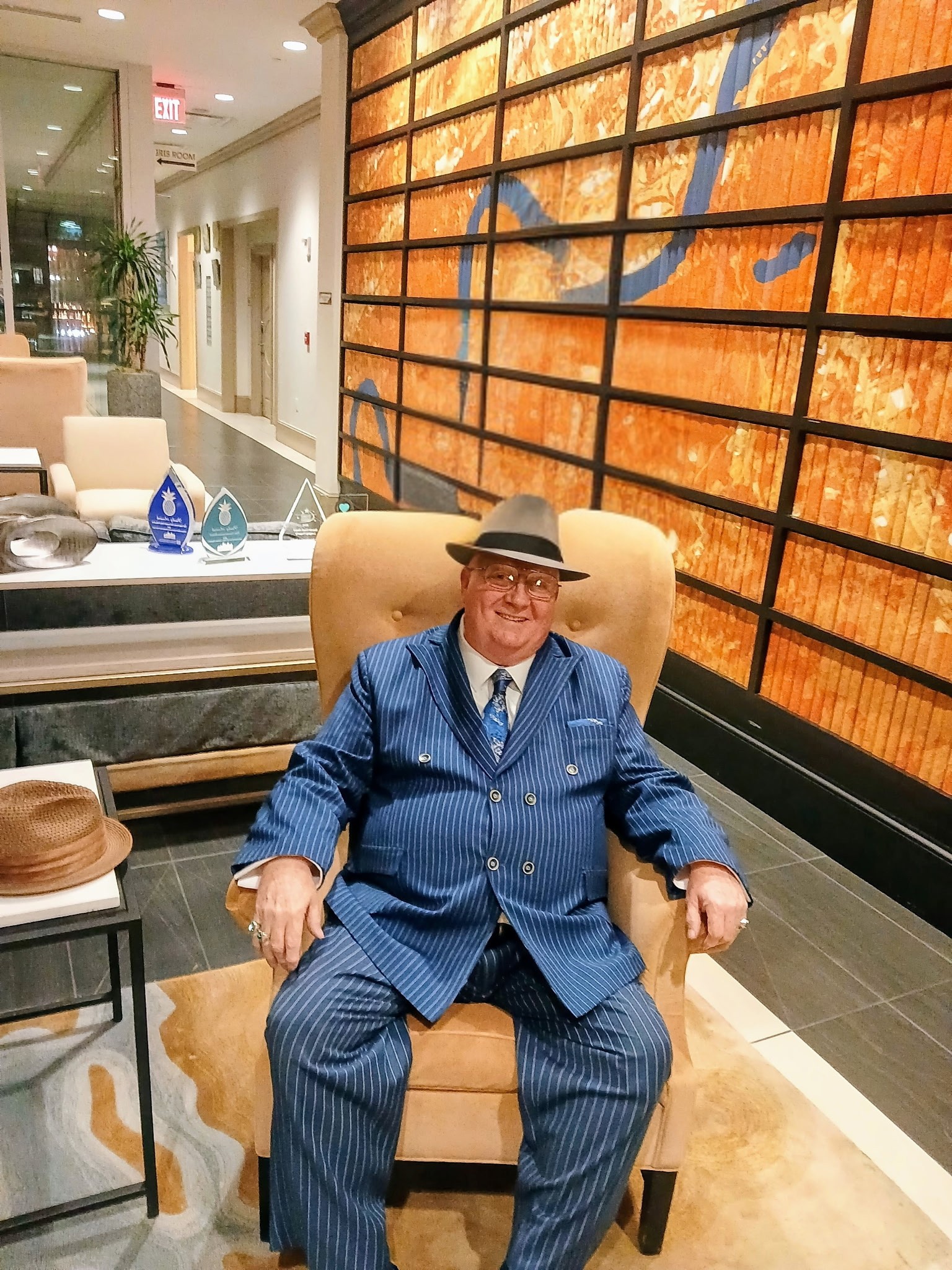
Jack Cummins

Motivational Speaker, Author & Former Enforcer of the Bardo Crime Family

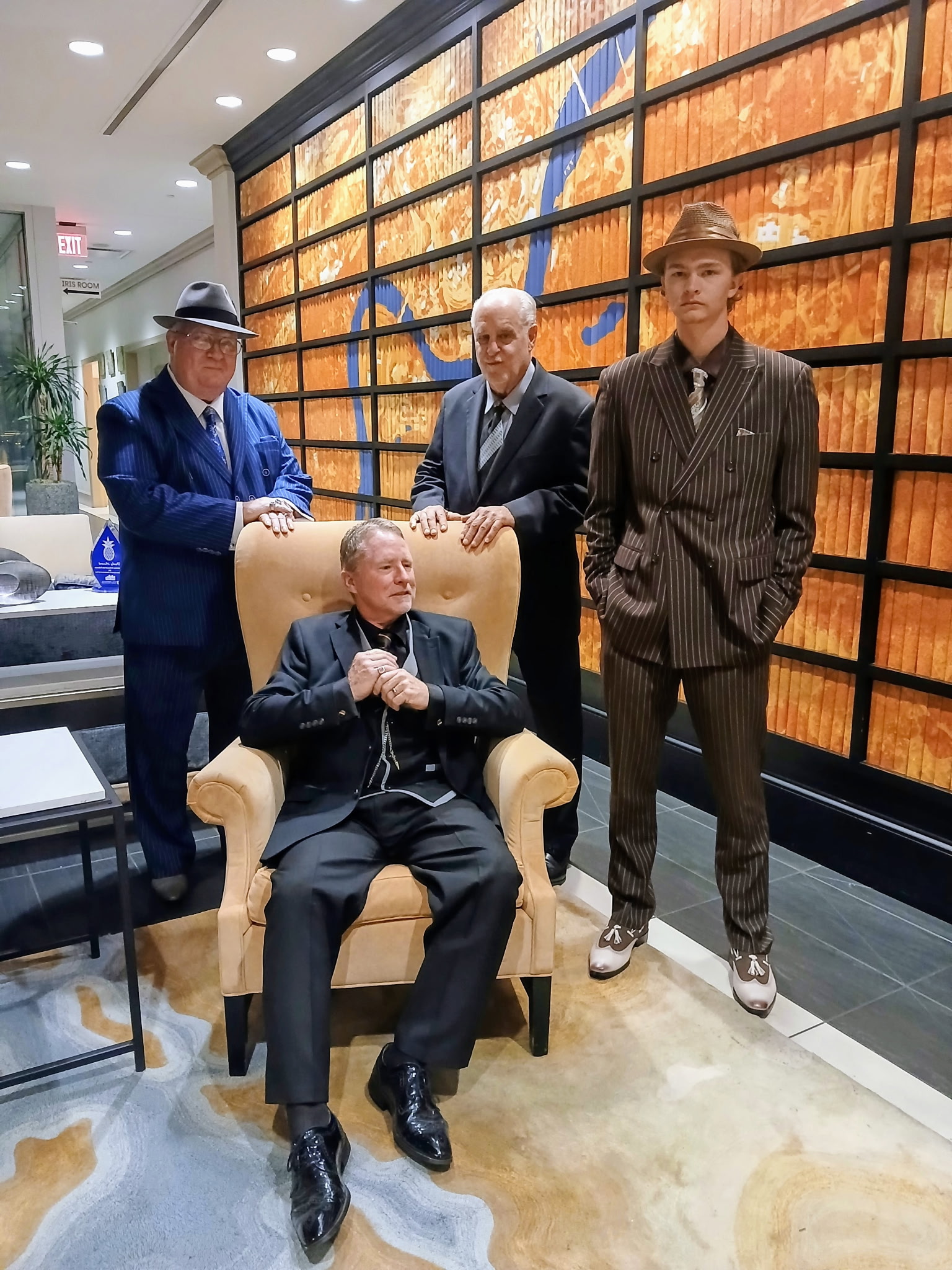
Jack served as a formal enforcer for the Bardo crime family. Growing up, knowing that his father once muscled for gangster Sammy Eisner.  Wanting to follow in his father’s footsteps, Jack became an enforcer. Growing up in the shadow of that legacy, Jack stepped into the same world—until the cost of that life forced him to confront a different future.

Let's Talk Business, Shall We?
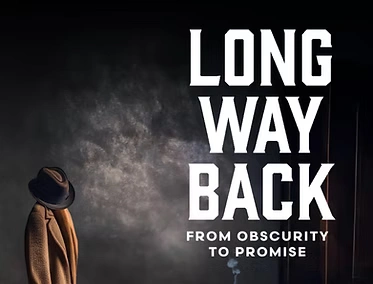
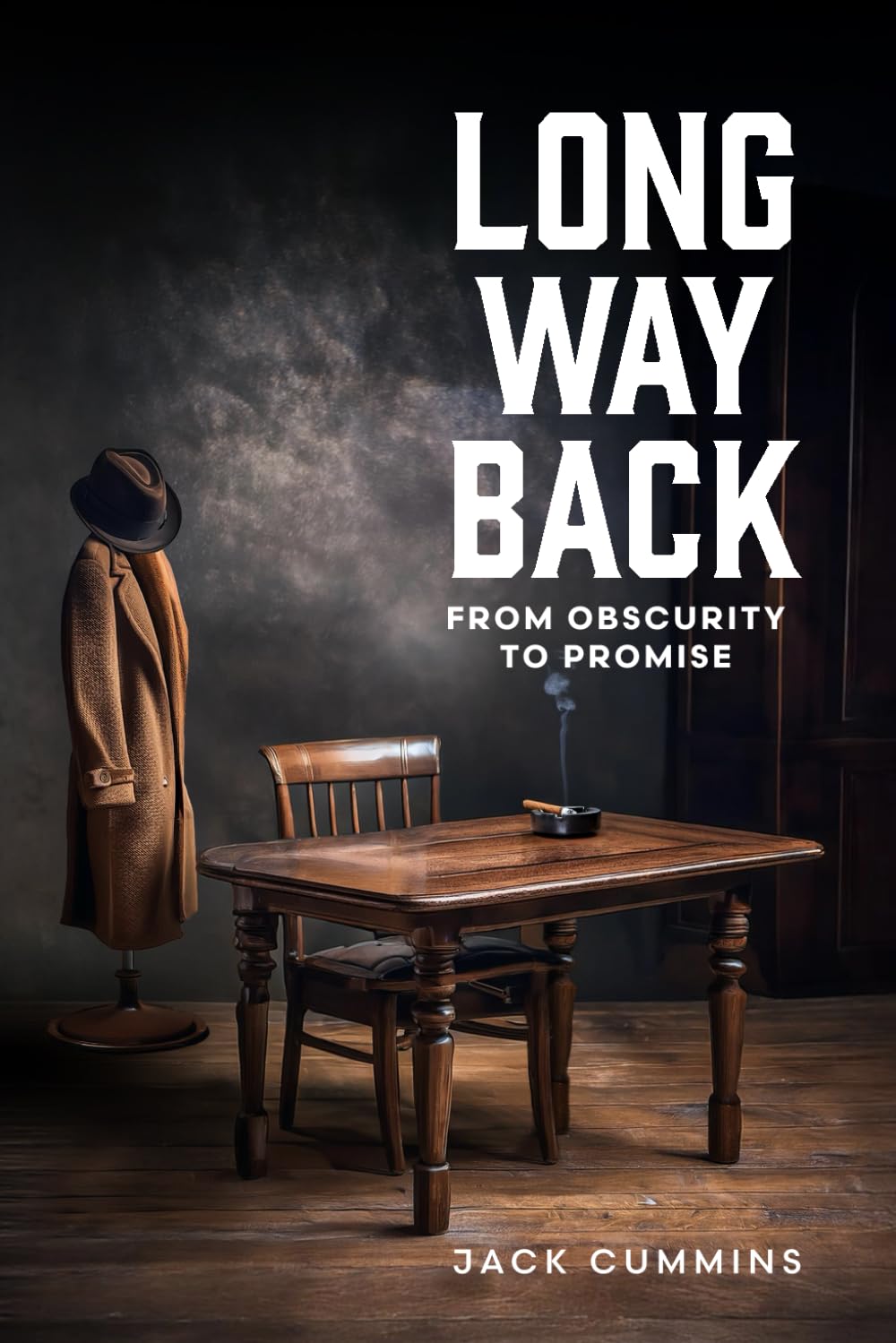
Buy My Book, "Long Way Back: From Obscurity to Promise"

Traveling through the wind tunnels of time, this action-packed story has many twists and turns rarely anticipated. Though lives are destroyed with everlasting consequences, the ray of hope is only found through a whole host of striking phenomenon.

Speaking Engagements

From organized crime to personal reform, Jack speaks nationwide as a motivational speaker and author. He has spoken on

Prison Reform / Organized Crime at the Lebanon Correctional Institution (LCI) in Lebanon, Ohio and Spoken on Civil Ethics at the Roger D. Wilson Detention Facility.
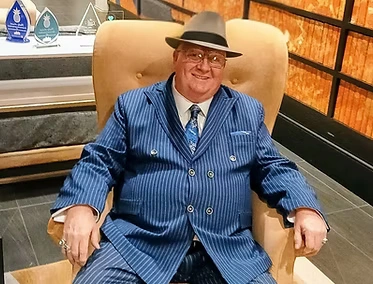
Writer & Author

Formal enforcer for the Bardo crime family. Jack grew up knowing that his father once muscled for gangster Sammy Eisner. Wanting to follow in his father’s footsteps, Jack became an enforcer.

“I have examined many patients over a lifetime and have heard most of their stories, but not any quite as fascinating as Jack’s story.

I must say, this story unread, is a miss for sure!”

Dr. John Reihm, MD

Reader

Long Way Back: From Obscurity to Promise

Being spawned by 1920s and 1930s mobsters, ex-gangster, Jack Cummins, tells all.

Traveling through the wind tunnels of time, this action-packed story has many twists and turns rarely anticipated. Though lives are destroyed with everlasting consequences, the ray of hope is only found through a whole host of striking phenomenon.
“After observing the behavioral traits of many children over a twenty-five year period, I’m convinced we need far more outcomes that Jack has been so blessed to experience. Making haste with this story truly is a waste!”
Tony Collier

Teacher for Challenged Children & Reader

ALLOW ME TO MAKE YOU AN OFFER YOU CAN'T REFUSE...

A Journey from Darkness to Sobriety

EP 372

In this episode of the Sobertown Podcast, we welcome Jack Cummins, who shares his incredible journey through addiction, recovery, and redemption. Jack talks about his early introduction to AA, his tumultuous life involving the mob, his experiences in the military, and how he finally found lasting sobriety. Join us as we explore Jack’s fascinating story and the lessons he’s learned along the way.
Common Questions Answered

What is “organized crime,” and how does it differ from other types of criminal activity?
Organized crime refers to structured groups engaged in illegal activities that are planned, coordinated, and run like a business. Unlike spontaneous or individual crimes, organized crime operates through hierarchy, assigned roles, long-term strategy, and systems designed to generate profit and maintain control. My experience inside that world gives me firsthand insight into how these networks function—and why dismantling them requires understanding the internal structure, not just the surface behavior.
How did your criminal background lead you to become a speaker on prison reform and organized crime?
My background gives me a perspective you cannot learn from textbooks or documentaries. I’ve lived the consequences of violence, poor choices, and survival-driven decisions. I’ve also lived the reality of incarceration—what works, what doesn’t, and where the system fails both offenders and society.
Today, I use that experience to educate audiences about the roots of criminal behavior, the human cost of incarceration, and the reforms needed to reduce recidivism. Speaking allows me to turn the darkest parts of my past into something constructive, restorative, and preventative.
What does the title “enforcer” mean within organized crime?
In organized crime, an “enforcer” is someone responsible for ensuring rules are followed and debts or expectations are met. It is a role built on intimidation, compliance, and maintaining order on behalf of the organization. It is not glamorous—it is dangerous, isolating, and rooted in cycles of violence. Understanding this role helps people grasp how power, fear, and survival operate inside criminal networks and why breaking those cycles is essential for long-term reform.
Who was Sammy Eisner, and how did he influence your early involvement in crime?
Sammy Eisner was a known figure to have led a gambling empire in Newport, KY. My father worked under him during his time of controlling Newport and its criminal activity.  Growing up around that environment normalized certain behaviors and expectations. When you’re raised in a culture where crime is the family business, it’s easy to believe it’s the only path available. Sammy’s influence over my father shaped the direction I took early on—but that same history now fuels my mission to share with likeminded individuals that different futures are possible.
Who were the Bardo family, and what was your connection to them?

Organized crime group that ruled the west side of Cincinnati from 1972 – 1989. My connection came through my father’s association with Sammy Eisner and Al Sinclair of the Purple Gang as far back at 1972. I was then later recruited after serving in the Marine Corp, Vietnam era. Coming out trigger happy enabled me to plug right in to criminal activity. I share this history not to sensationalize it, but to provide context for the systems of influence, loyalty, and pressure that shape so many young adults’ paths. My work today focuses on breaking those generational patterns by sharing my story!

What made you walk away from organized crime and start over?
There came a point where the cost outweighed the loyalty—emotionally, physically, and spiritually. I reached a moment where I realized that if I didn’t change, I wouldn’t survive. Choosing to leave wasn’t easy, and rebuilding my life required accountability, humility, and a complete reevaluation of who I wanted to be. That journey is what motivates me to speak today: I want people to know transformation is possible, even when your past feels impossible to outrun.
Why is firsthand experience valuable when discussing prison reform?
People who have lived inside the system understand its failures and its potential better than anyone. We know what resources are missing, where rehabilitation breaks down, and how the system unintentionally reinforces cycles of crime. 

My experience gives me credibility with inmates, officers, policymakers, and communities because it’s rooted in lived reality—not theory. Reform only works when the people most affected have a voice in shaping it.

What do people misunderstand most about organized crime?
Most people see the Hollywood version—glamour, power, and fast rewards. In truth, organized crime destroys families, futures, and entire communities. It’s a life filled with fear, instability, trauma, and consequences that follow you long after you try to escape them. 
I speak openly about the myths versus the reality because too many young adults are drawn in by the illusion without understanding the lifelong cost.
How has resilience shaped your ability to overcome adversity and help others do the same?
My life has included multiple forms of adversity—violence, instability, loss, incarceration, and cycles of abuse. Resilience wasn’t something I was taught; it was something I had to build to survive. Today, resilience is the foundation of my work. It allows me to connect with people who feel trapped by their circumstances and show them that healing, growth, and accountability are possible. My story isn’t about perfection—it’s about persistence, recovery, and choosing a life of purpose.
How can your talks support correctional officers, young adults, policymakers, and community organizations?
My presentations offer a rare combination of inside knowledge and practical guidance. I help correctional staff understand inmate behavior, help young adults recognize early warning signs and pressures that lead to criminal involvement, and help policymakers see where reform can have the greatest impact. I also work with community groups to develop prevention-focused strategies that reduce recidivism and support reentry. My goal is always the same: education that leads to safer communities and better outcomes.
What topics do you cover in your keynote sessions?
I speak on a range of subjects including:

  • My story with organized crime
  • Prison reform: The resilience required to rebuild my life
  • Each Speaking Engagement is tailored to the audience so they leave with tools, context, and a clearer understanding of how change can happen
How does your book connect to your speaking work?
My book shares the full arc of my story—where I came from, what I survived, and how I rebuilt my life. It gives readers a deeper understanding of the systemic, environmental, and emotional forces that shaped my past. In my talks, I expand on these themes and focus on what they mean for our current justice system and for individuals seeking to change their lives. The book and the speaking work support each other: one tells the story, the other applies the lessons.